- +251 111 554 332 Yekatit 12 Square, Sidist Kilo, Addis Ababa

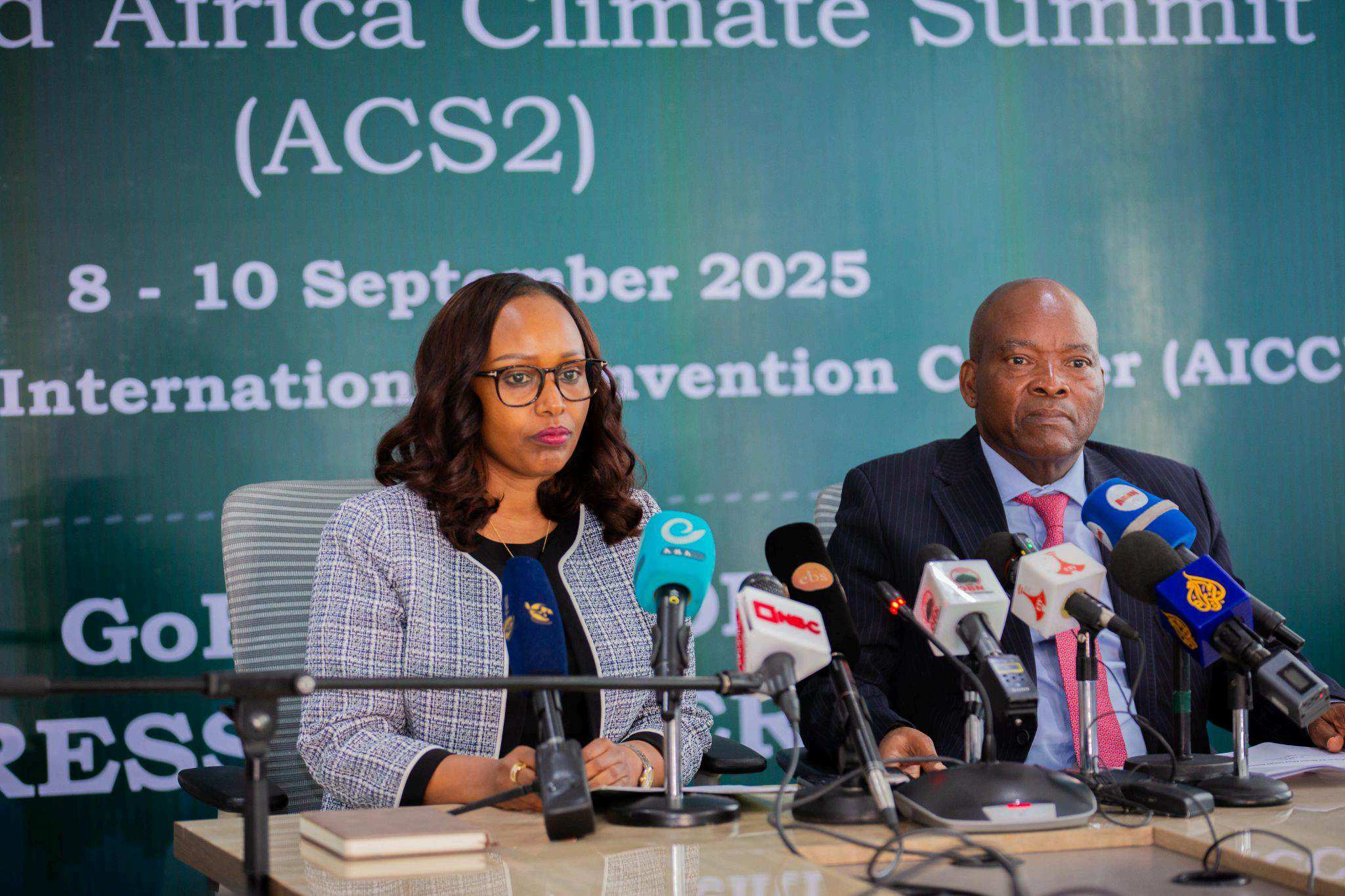
Ethiopia to lead continent-wide push for climate justice
Get details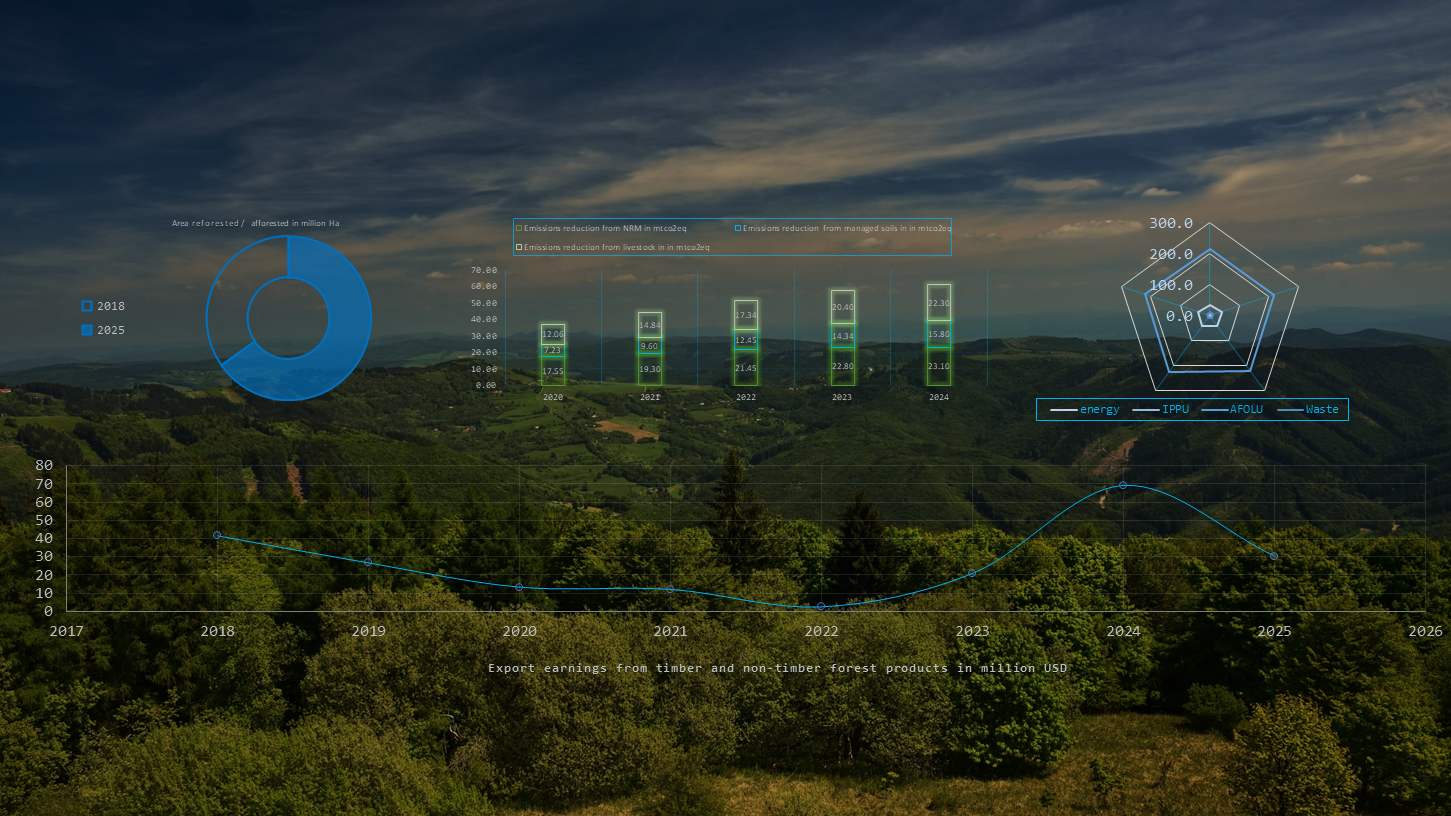
Over 2 million hectares under community-based management across Ethiopia
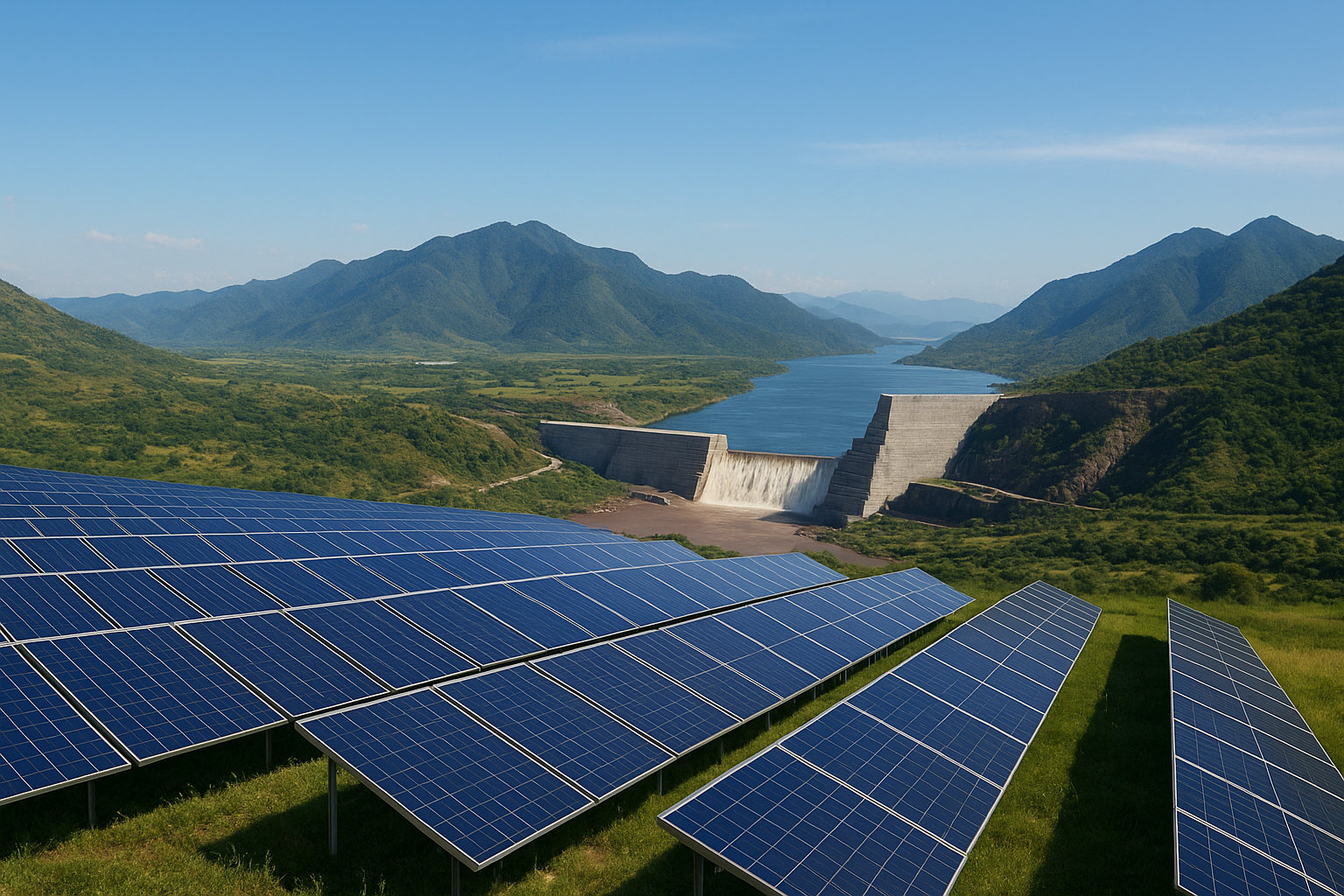
7,180 MW installed power generation capacity in 2025, primarily sourced from renewable energy, with hydropower as the dominant contributor.
The Climate Data Hub is the official national platform established under the leadership of the Ministry of Planning and Development (MoPD) to serve as Ethiopia’s central repository for climate and development data. It is a government-owned and managed system designed to consolidate, analyze, and disseminate reliable data that supports evidence-based policy-making, planning, and reporting.
By integrating information from key sectors such as energy, agriculture, forestry, water, transport, and urban systems, the Hub ensures that stakeholders have access to timely, consistent, and high-quality data. It enables government institutions, development partners, researchers, and the public to monitor progress on Ethiopia’s adaptation, mitigation, and climate finance priorities.
The platform promotes transparency, reduces duplication of data collection efforts, and strengthens coordination across ministries and partners. Through interactive dashboards, charts, and maps, the Hub translates complex datasets into actionable insights, guiding Ethiopia’s transition toward a climate-resilient, low-carbon economy in alignment with national strategies and international commitments.
support@mopd.gov.et
Ethiopia is charting a comprehensive pathway to green growth, integrating low-carbon and climate-resilient strategies across key sectors to achieve net-zero emissions while sustaining economic development and improving livelihoods.
The Industrial Processes and Product Use (IPPU) sector in Ethiopia is being modernized to reduce its carbon footprint through a series of decarbonization interventions. The BAU scenario forecasts inc…
Ethiopia’s waste management system is a critical area for reducing emissions and improving climate resilience. The business-as-usual scenario predicts a continued increase in waste generation, with s…
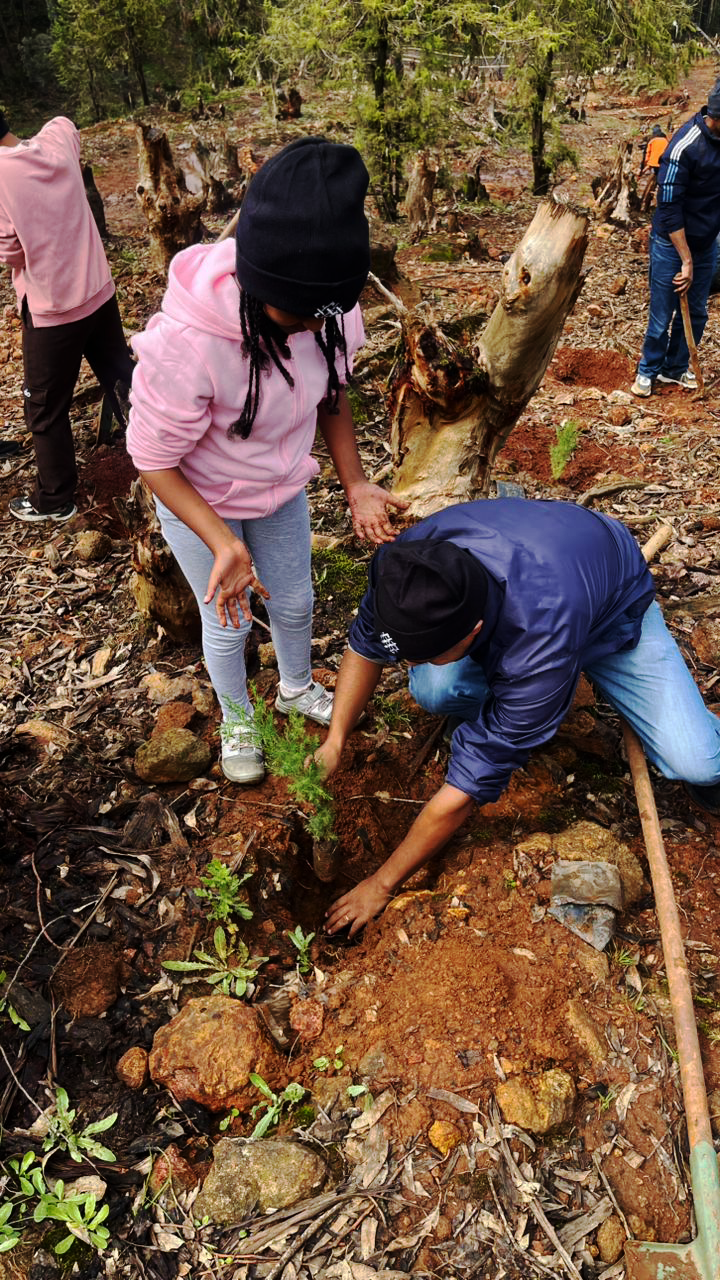
Ethiopia’s forestry and land-use sector is essential for enhancing carbon sequestration and mitigating climate change. The low-emission scenarios prioritize afforestation, reforestation, and the redu…
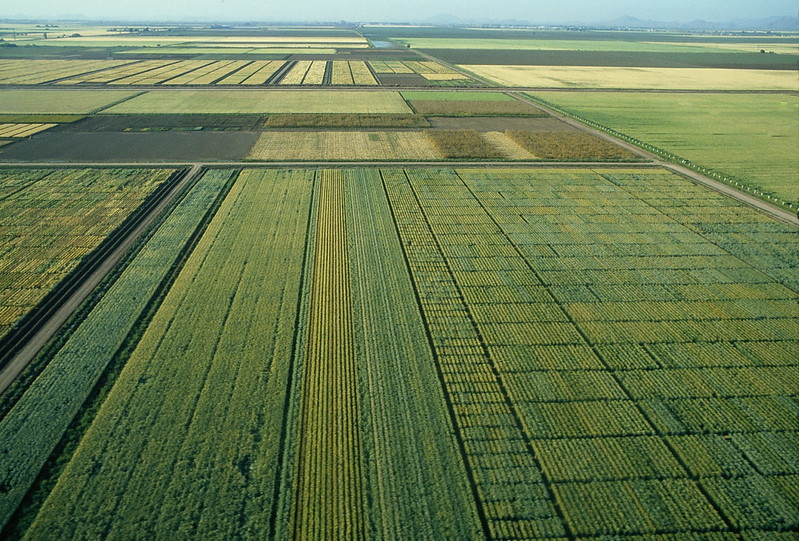
Ethiopia’s agriculture sector, a key contributor to both emissions and livelihoods, is undergoing modernization to adopt low-carbon and climate-resilient practices. The low-emission scenario for agri…
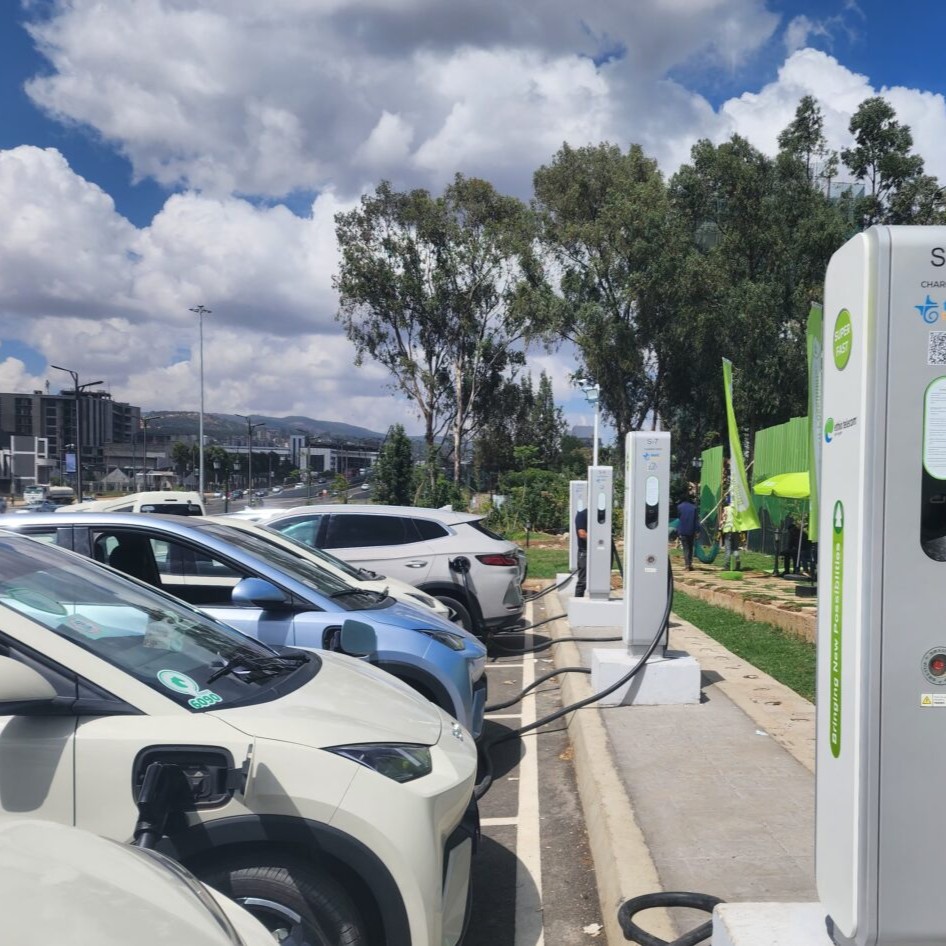
Ethiopia’s transport sector, a significant source of greenhouse gas emissions, is targeted for decarbonization through electrification, public transport expansion, and efficiency improvements. The BA…
The energy sector plays a central role in Ethiopia’s transition to NZE, with a focus on reducing reliance on fossil fuels and increasing renewable energy generation. The business-as-usual (BAU) scena…
Ethiopia’s long-term strategy aims to achieve net-zero emissions (NZE) by 2050 through a series of decarbonization pathways that balance economic growth, emissions reduction, and job creation. These …
Climate change poses profound challenges for Ethiopia’s environment, economy, and communities, requiring a coordinated approach across multiple fronts. Guided by the Intergovernmental Panel on Climate Change (IPCC) framework, the data hub addresses five interconnected policy areas: drivers of climate change, its impacts on people and nature, the vulnerability of systems to these impacts, and the solutions through mitigation and adaptation. Together, these areas provide a comprehensive lens for understanding the causes and consequences of climate change, while identifying pathways for action that align with Ethiopia’s sustainable development and green growth ambitions.
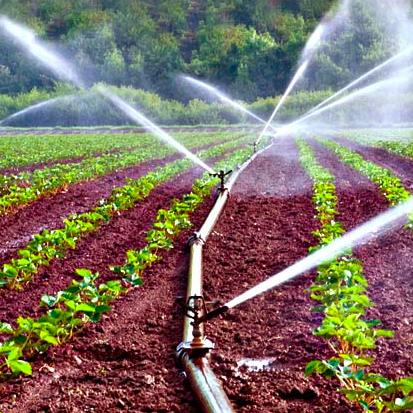
Adaptation efforts in Ethiopia aim to strengthen resilience against climate risks by protecting livelihoods, ecosystems, and critical infrastructure. Key actions include promoting climate-smart agriculture, developing drought-resistant crops and livestock, improving water harvesting and irrigation, restoring degraded landscapes, and expanding green urban infrastructure. The government also prioritizes ecosystem-based approaches, such as watershed rehabilitation and sustainable forest management, alongside community-led initiatives that ensure gender equity and inclusive participation. These measures help reduce vulnerability, safeguard food and water security, and support long-term sustainable development.
Ethiopia aims to cut its greenhouse gas emissions by 68.8% below business-as-usual (BAU) levels by 2030, targeting a reduction from an estimated 401 MtCO?e (BAU) to 125 MtCO?e. The energy sector plays a central role, with plans to generate 100% of electricity from renewable sources such as hydropower, wind, and solar, while reducing biomass reliance through the distribution of over 35 million improved cookstoves. Land use change and forestry measures include restoring 15 million hectares of degraded land and raising forest cover to 30%. Livestock emission intensity will be reduced through improved breeds and feeding practices, while waste-to-energy, recycling, and industrial efficiency will further cut emissions.
Ethiopia’s greenhouse gas emissions are primarily driven by agriculture, forestry, and other land use (AFOLU), which account for over 80% of national emissions. Key factors include deforestation for fuelwood and farmland, livestock-related methane emissions, and unsustainable land management. Rapid population growth and urbanization increase demand for energy, water, and infrastructure, while heavy reliance on biomass fuels contributes to forest degradation. Industrial expansion and waste mismanagement are emerging contributors, although they remain smaller than AFOLU and energy-related sources. These drivers are compounded by climate variability, making resilience and low-carbon development urgent priorities.
Climate change in Ethiopia is already affecting key sectors such as agriculture, water resources, health, and infrastructure. Recurring droughts, erratic rainfall, and increasing temperatures have led to crop failures, reduced livestock productivity, and heightened food insecurity for millions of people. Floods and landslides damage roads, schools, and health facilities, disrupting essential services. According to national assessments, climate shocks can reduce Ethiopia’s GDP growth by up to 2–6% annually, with rural and low-income communities bearing the greatest burden. These impacts not only threaten livelihoods but also slow progress towards sustainable development goals.
Ethiopia’s vulnerability to climate change is shaped by its heavy dependence on rain-fed agriculture, high levels of poverty, and limited adaptive capacity. Over 80% of the population relies on climate-sensitive livelihoods, making rural communities particularly exposed to droughts, floods, and land degradation. Limited access to climate-resilient infrastructure, healthcare, and early warning systems increases the risk. Vulnerability is highest in lowland and drought-prone areas, where recurring climate shocks threaten food security, water availability, and health outcomes.



The NDC Stocktaking Report 2025 is launched. The report provides a comprehensive assessment of Ethiopia’s progress in implementing its climate commitments. It highlights achievements, gaps, and priority actions across mitigation, adaptation, and cross-cutting sectors to guide the country toward its net-zero targets.
DetailsExcepteur laborum.

August 10, 2025|MoPD
Addis Ababa, August 9, 2025 (ENA) -- The African Union (AU) Staff Association has commended Ethiopia’s Green Legacy Initiative (GLI), describing it a model for the global climate action. Nouhou T…
Continue Reading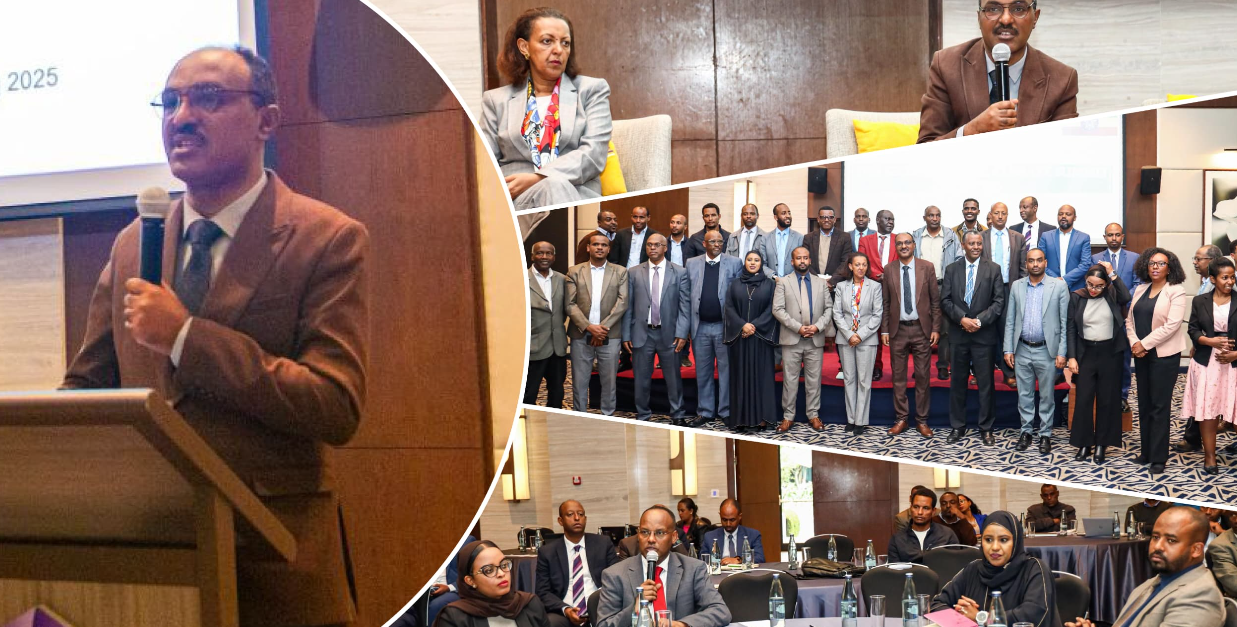
August 10, 2025|MoPD
Ethiopia’s Federal Institutions Join Hands to Making the Second Africa Climate Summit a Turning Poi…

August 10, 2025|MoPD
Ethiopia Set to Host Second Africa Climate Summit in September: A Call for Accelerated Green Action…
For inquiries, please reach out to the Ministry of Planning and Development at our office located in Yekatit 12 Square, 6 Kilo. Our team is available during working hours to assist you. For detailed information, downloadable resources, or to submit a formal request,
visit our full Contact Page here