- +251 111 554 332 Yekatit 12 Square, Sidist Kilo, Addis Ababa

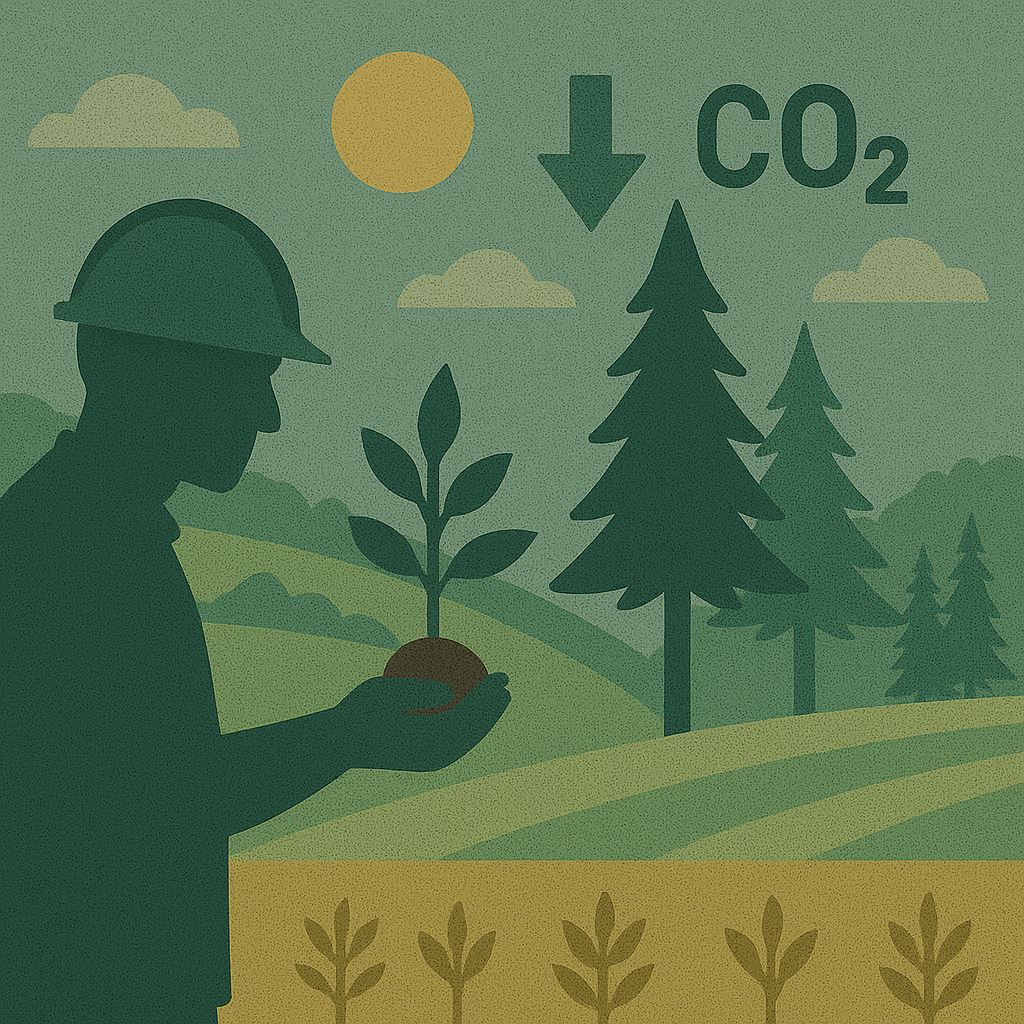
Ethiopia’s forestry and land-use sector is essential for enhancing carbon sequestration and mitigating climate change. The low-emission scenarios prioritize afforestation, reforestation, and the reduction of deforestation. These actions aim to increase carbon sinks and restore ecosystems, contributing significantly to Ethiopia’s net-zero goals. In addition to mitigation, these forestry actions promote climate resilience by preventing land degradation, supporting biodiversity, and improving local livelihoods. Sustainable land management practices, such as agroforestry and community-based conservation, are key to achieving long-term carbon sequestration and environmental restoration.
Ethiopia’s forestry and land-use sector is essential for enhancing carbon sequestration and mitigating climate change. The low-emission scenarios prioritize afforestation, reforestation, and the reduction of deforestation. These actions aim to increase carbon sinks and restore ecosystems, contributing significantly to Ethiopia’s net-zero goals. In addition to mitigation, these forestry actions promote climate resilience by preventing land degradation, supporting biodiversity, and improving local livelihoods. Sustainable land management practices, such as agroforestry and community-based conservation, are key to achieving long-term carbon sequestration and environmental restoration.