- +251 111 554 332 Yekatit 12 Square, Sidist Kilo, Addis Ababa

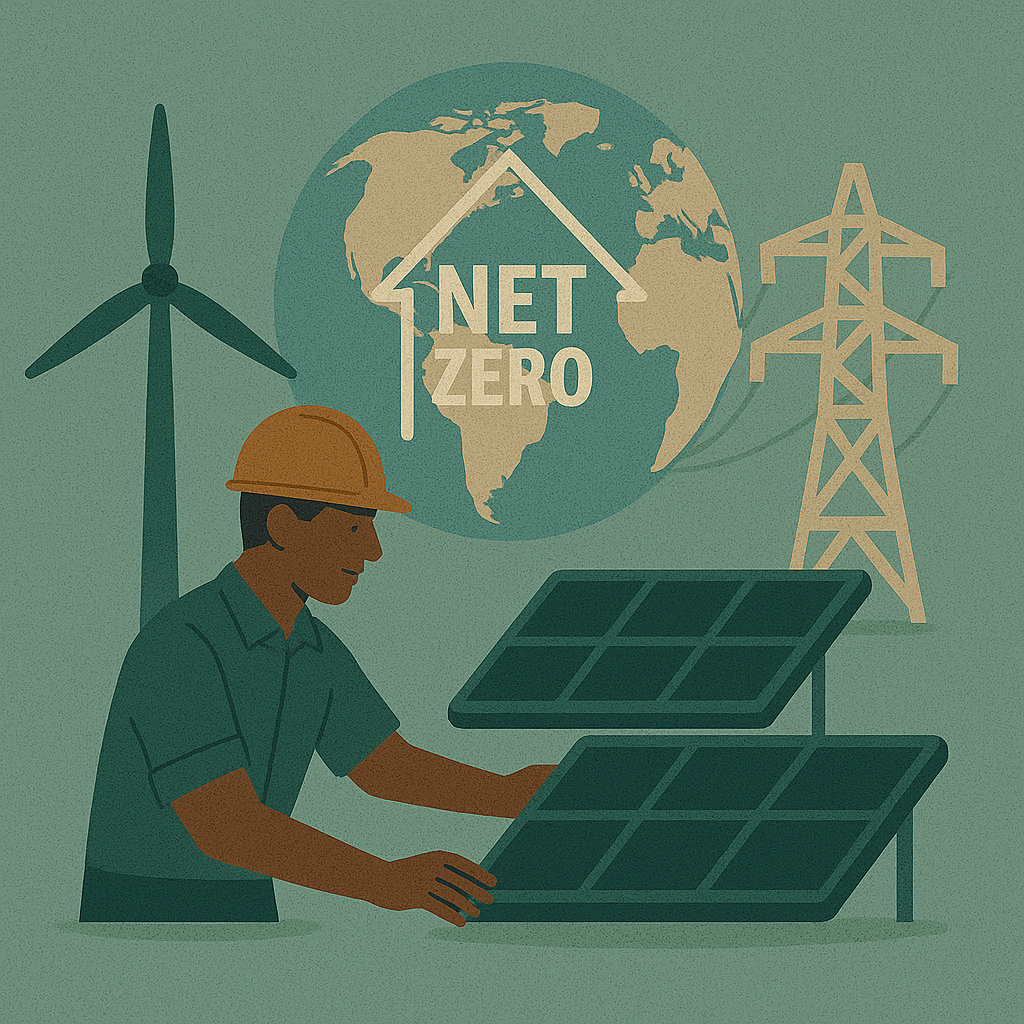
The energy sector plays a central role in Ethiopia’s transition to NZE, with a focus on reducing reliance on fossil fuels and increasing renewable energy generation. The business-as-usual (BAU) scenario predicts rising energy demands primarily met by fossil fuels, resulting in increased emissions. In contrast, the low-emission scenarios emphasize the expansion of renewable energy sources, such as hydropower, solar, and wind, alongside improvements in energy efficiency. Strategic actions include upgrading the national grid, scaling up renewable energy capacity, and ensuring the energy sector is resilient to climate impacts, such as changes in hydropower capacity due to shifting precipitation patterns.
The energy sector plays a central role in Ethiopia’s transition to NZE, with a focus on reducing reliance on fossil fuels and increasing renewable energy generation. The business-as-usual (BAU) scenario predicts rising energy demands primarily met by fossil fuels, resulting in increased emissions. In contrast, the low-emission scenarios emphasize the expansion of renewable energy sources, such as hydropower, solar, and wind, alongside improvements in energy efficiency. Strategic actions include upgrading the national grid, scaling up renewable energy capacity, and ensuring the energy sector is resilient to climate impacts, such as changes in hydropower capacity due to shifting precipitation patterns.