- +251 111 554 332 Yekatit 12 Square, Sidist Kilo, Addis Ababa

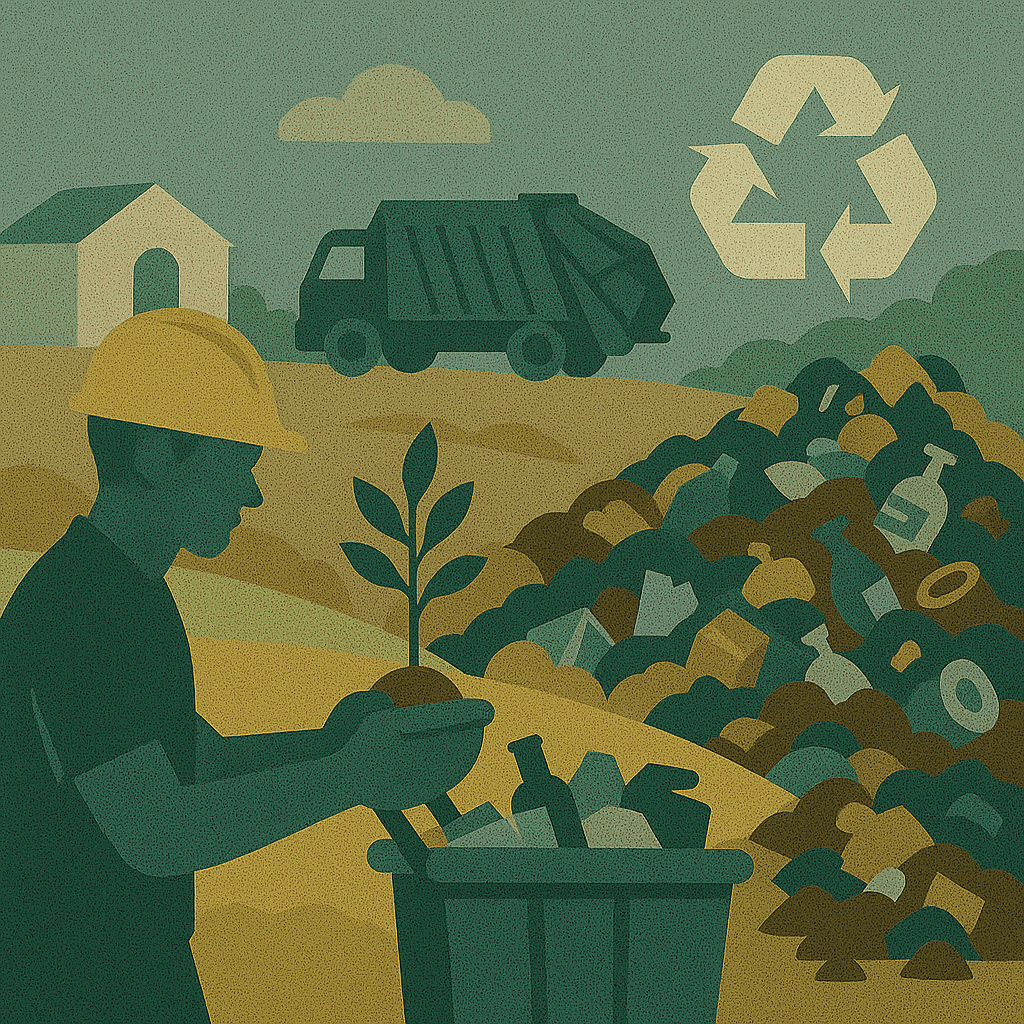
Ethiopia’s waste management system is a critical area for reducing emissions and improving climate resilience. The business-as-usual scenario predicts a continued increase in waste generation, with significant emissions from landfills and inefficient waste treatment. The low-emission scenario focuses on improving solid waste management by increasing waste separation, composting, and recycling. Waste-to-energy solutions, such as anaerobic digestion and landfill gas recovery, are also key strategies to reduce methane emissions from waste. Furthermore, improved wastewater treatment and discharge practices are prioritized to address emissions and enhance the resilience of urban environments to climate impacts, such as flooding and contamination.
Ethiopia’s waste management system is a critical area for reducing emissions and improving climate resilience. The business-as-usual scenario predicts a continued increase in waste generation, with significant emissions from landfills and inefficient waste treatment. The low-emission scenario focuses on improving solid waste management by increasing waste separation, composting, and recycling. Waste-to-energy solutions, such as anaerobic digestion and landfill gas recovery, are also key strategies to reduce methane emissions from waste. Furthermore, improved wastewater treatment and discharge practices are prioritized to address emissions and enhance the resilience of urban environments to climate impacts, such as flooding and contamination.